


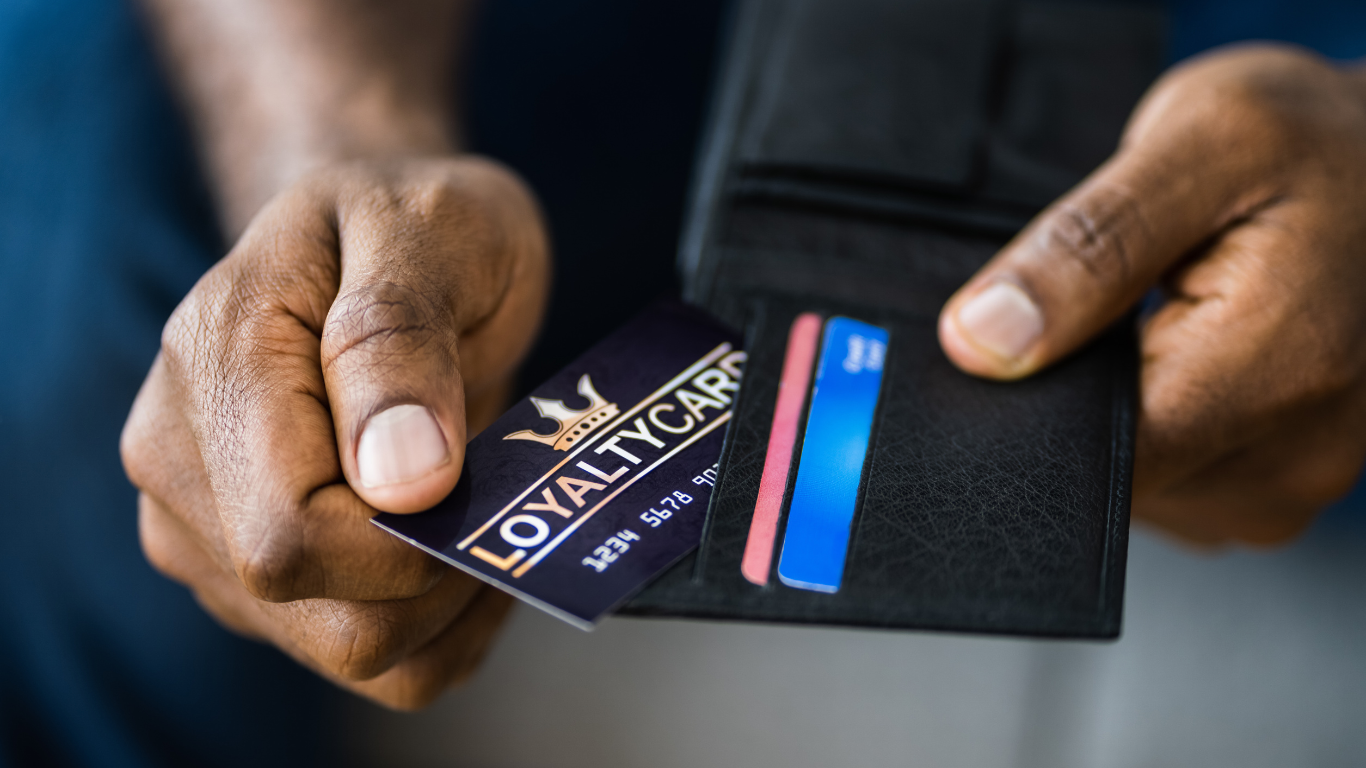
Most loyalty programs start the same way: spend money, earn points, redeem points for something. It’s simple, it’s familiar, and for a while it works.
Then reality sets in. Points pile up unused. Customers join, collect a few, and forget the program exists. And competitors run the exact same mechanic, so nothing about yours feels special.
Points aren’t the problem. Relying on points alone is. The programs that keep people coming back usually combine a few ideas that support each other: tiers that give people something to aim for, referrals that turn happy customers into advocates, and personalization that makes the whole thing feel like it was built for them. Here’s how they fit together.
Where points fall short
A points system answers one question: “how much did you spend?” It’s transactional by nature. That makes it good at rewarding purchases, but not very good at making someone feel connected to a brand.
A few things tend to happen:
- Everyone gets treated the same. A customer who buys every week and one who bought once get the same experience.
- The reward feels like a discount in disguise. If points are just a slow way to get money off, people treat them that way.
- There’s no sense of progress. A balance that quietly grows doesn’t give anyone a reason to feel excited.
- It’s easy to copy. If every brand has points, points don’t set you apart.
The fix isn’t to throw points away. It’s to build more around them.
Tiers: giving people somewhere to go
Tiers turn a loyalty program from a balance into a journey. Instead of just collecting, customers move up through levels, like Silver, Gold, and Platinum, and each level brings something better.
Why it works comes down to simple human behavior. People like progress. They like being recognized. And they notice when they’re close to the next level. A customer who’s one purchase away from the next tier has a real reason to come back this week.
A few things make tiers feel meaningful instead of gimmicky:
- Make the benefits worth wanting. Early access, member-only items, priority service, or free delivery matter more than a slightly higher points rate.
- Show where they stand. A clear view of the current tier and what’s needed for the next one keeps motivation alive.
- Make it reachable. If the first step up feels impossibly far, people won’t try. Early wins matter.
- Acknowledge status. Being recognized, by name, at the right moment, is a reward in itself.
One caution: tiers can backfire if the benefits feel thin or the thresholds feel arbitrary. If customers can’t tell what they’re gaining, the levels are just labels.
Referrals: letting your best customers do the talking
Your happiest customers are your most believable marketers. A recommendation from a friend carries a kind of trust that no advertisement can match.
Referral programs give that trust a structure. A customer shares something with a friend, and both get a reason to be glad they did. Done well, it brings in new customers who tend to arrive already interested, and it deepens the relationship with the person who referred them, because they’ve now put their name behind your brand.
Some things that help:
- Keep sharing effortless. One tap, a simple link, a message they can send on WhatsApp.
- Reward both sides. The person referring and the person joining should each get something worth having.
- Tie it to the program. Referrals can count toward tier progress, so advocacy feels like part of the journey, not a separate side deal.
- Don’t overcomplicate the rules. If people need a manual to understand it, they won’t bother.
And a gentle warning: a referral program works best when customers already like you. It amplifies a good experience. It won’t rescue a bad one.
Personalization: making it feel like it’s for me
This is the layer that quietly holds everything else together. Personalization means the program responds to what each customer actually does and likes, instead of treating everyone as an average.
That can be as simple as:
- Rewards that match behavior. Someone who always orders the same drink gets offered something related, not a random product.
- Timing that makes sense. A reminder when a regular purchase is likely running out, or a nudge when someone hasn’t visited in a while.
- Progress prompts that feel helpful. “You’re one visit away from the next level” lands better than a generic promo.
- Different paths for different people. New customers, regulars, and lapsed customers shouldn’t all get the same message.
Personalization depends on knowing your customers. If your data is scattered across channels, or you can’t recognize the same person in-store and online, it’s hard to personalize anything meaningfully. That’s why the data underneath matters as much as the program on top.
How the three work together
Individually, each of these is useful. Together, they reinforce each other.
- Tiers give customers a goal. Personalization makes that goal feel reachable by showing them the next best step.
- Referrals feed the tiers. Bringing in a friend becomes a way to move up, and the friend arrives into a program that already feels welcoming.
- Personalization keeps the whole thing relevant. It decides which reward, which nudge, and which moment, so tiers and referrals don’t feel generic.
- Points stay as the everyday currency that ties activity to rewards.
Think of it as a loop. A customer buys, earns, moves toward a tier, gets a timely nudge, refers a friend, and the friend begins their own loop. Each part makes the next one work better.
Starting without overbuilding
You don’t need all of this on day one. A sensible order:
- Get the basics right. Make joining easy and the first reward quick.
- Know who your customers are. Identify members at the point of purchase and bring their data together.
- Add tiers once you have enough activity to make levels meaningful, and design benefits people truly want.
- Introduce referrals when you have customers who are already happy.
- Layer in personalization as your understanding of behavior grows.
- Measure what matters. Look at repeat rate, time between purchases, member activity, and how many referrals turn into real customers, rather than just sign-ups.
The bottom line
Points tell customers they’ve been counted. Tiers, referrals, and personalization tell them they matter. The programs that keep people around aren’t the ones with the biggest rewards. They’re the ones that make customers feel recognized, give them something to work toward, and respond to who they actually are.
If your program is a points balance and little else, there’s a lot of room to grow, and none of it requires giving away more discounts.
Ready to build loyalty that lasts?
At ProPS, we help brands design and run loyalty, gamification, and engagement programs that bring customers back. We unify scattered data into one live customer profile, so tiers, referrals, and personalization work from a real understanding of each customer. We are a local team that knows the Indonesian market, and we agree on KPIs upfront so results are measured, not assumed.
If you’d like to take your loyalty program beyond points, let’s talk. Tell us how your program works today, and we’ll help you find the best place to start.